
5 Factors Fueling the Rapid Growth of Local Barbeque Restaurants Nationwide
The culinary landscape of the United States is experiencing a major structural shift as consumers increasingly turn away from generic fast food in favor of rich, slow-cooked comfort options. Across the country, the rise of local barbeque restaurants has transformed municipal dining scenes and redefined casual comfort food. This rapid marketplace expansion is not a temporary trend, but rather a permanent shift driven by evolving consumer behaviors, operational efficiencies, and community desires. By understanding the underlying elements fueling this structural boom, food lovers and entrepreneurs alike can appreciate the enduring appeal of traditional wood-fired cooking.
1. Embracing Authentic Culinary Traditions
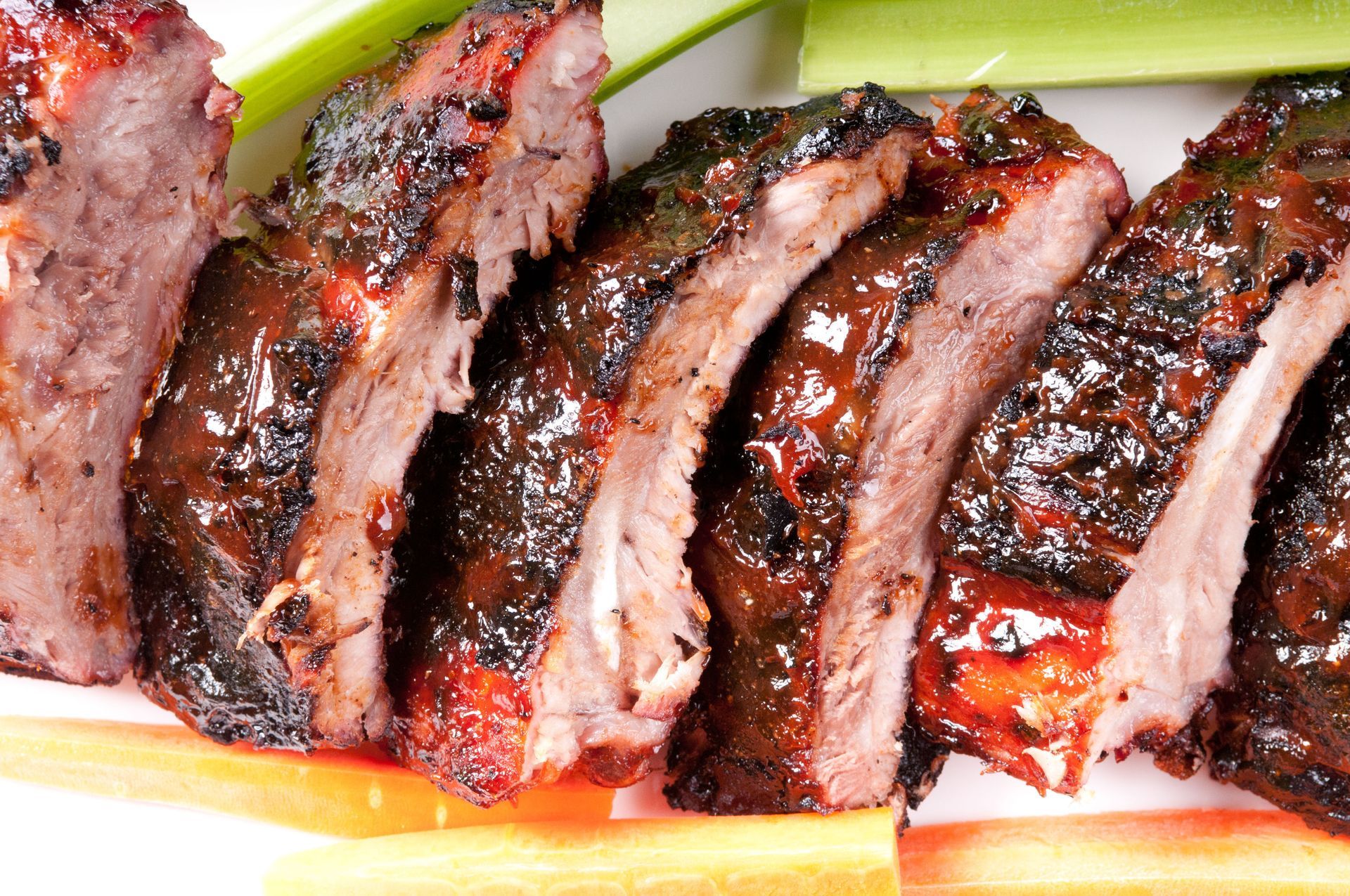
Consumers today crave authenticity in their dining experiences, and few culinary styles deliver on this promise quite like classic, wood-smoked meats. For many decades, mass-produced fast food dominated the market, but modern diners are now demonstrating a clear preference for artisanal preparation, distinct regional profiles, and complex flavor profiles. This shift explains why local barbeque restaurants are expanding rapidly, as they provide high-quality brisket, pulled pork, and tender ribs that require many hours of careful monitoring to achieve perfection.
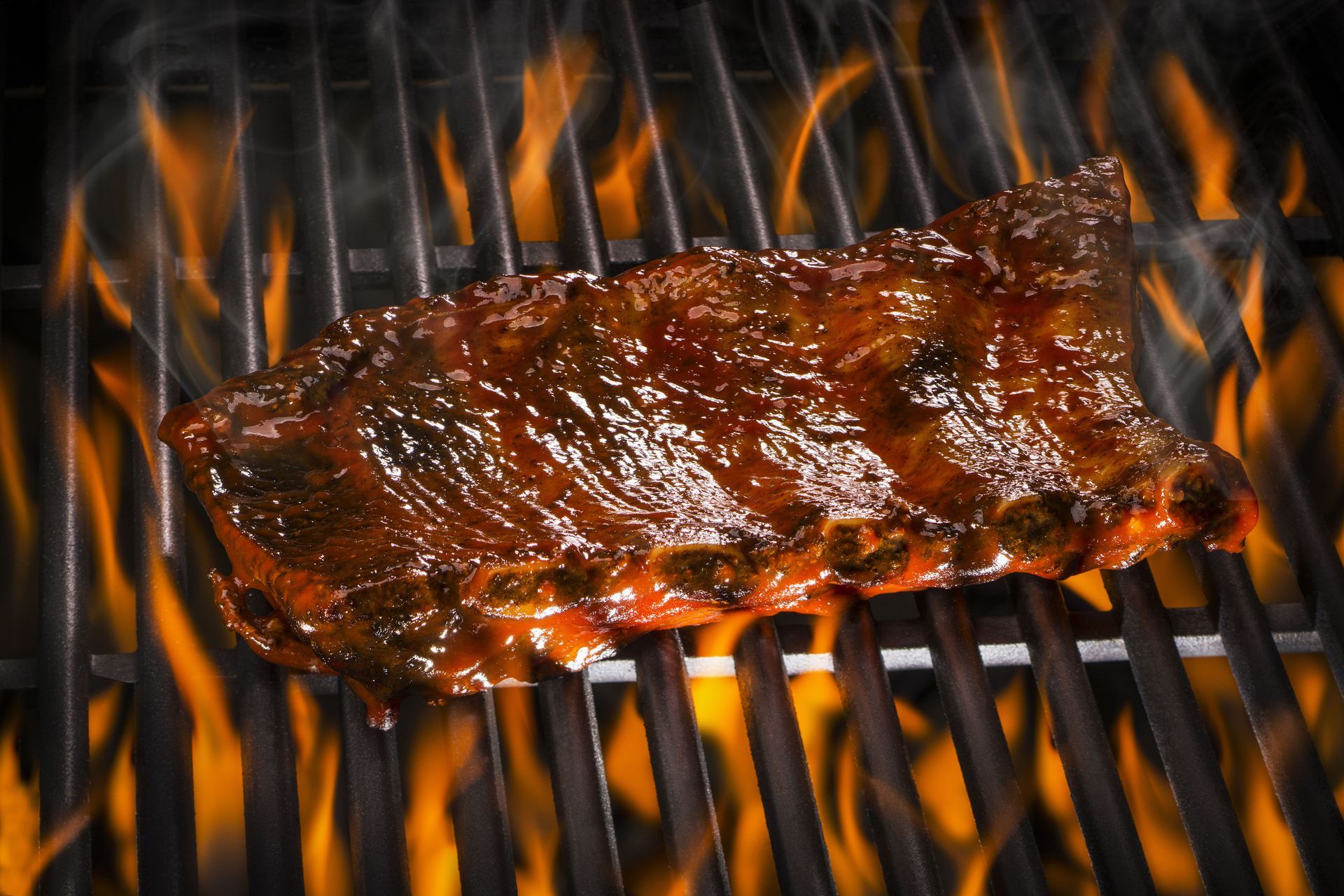
Traditional smokehouses rely on time-honored techniques involving hickory, oak, or cherry wood, creating a deep smoky profile that cannot be replicated by commercial gas ovens or artificial liquid flavorings. Furthermore, regional pride plays an essential role in this culinary movement, with diners enthusiastically exploring the subtle differences between sweet Kansas City sauces, tangy Carolina vinegar bases, and robust Texas dry rubs. This dedication to craftsmanship transforms a simple meal into an educational, deeply satisfying culinary experience.
Because low-and-slow cooking requires immense patience, specialized smoker equipment, and years of master instruction, consumers gladly outsource this labor-intensive process to neighborhood specialists. By focusing heavily on culinary heritage, these businesses capture the loyalty of diverse demographics, ensuring steady growth in highly competitive metropolitan markets.
2. Leveraging Modern Delivery Innovations
While traditional cooking methods remain the absolute backbone of the industry, advanced technological integrations have allowed operators to scale their client reach like never before. The introduction of streamlined mobile applications, centralized third-party logistics platforms, and proprietary digital ordering portals has completely revolutionized how consumers purchase food.
These advanced systems help local barbeque restaurants reach new customers who prefer enjoying premium smoked meats in the comfort of their own living rooms, home offices, or backyard patios. Smoked meats are uniquely suited for takeout and home transport because items like chopped brisket, pulled pork, and smoked chicken retain their moisture, heat, and structural integrity far better than delicate fried foods or thin pasta dishes.
Consequently, eateries can maintain exceptional quality control even when meals travel across several miles within heavily insulated delivery bags. By optimizing their fulfillment models to balance on-premise diners with off-premise digital orders, smokehouse owners can maximize their daily kitchen output without needing to expand their physical dining room footprints. This seamless technological balance satisfies the modern demand for ultimate convenience while preserving the premium quality that discerning wood-fired enthusiast communities expect on every single order.
3. Maximizing Commercial Profitability Margins
From a business perspective, operating a dedicated smokehouse offers distinct financial advantages that make the concept highly attractive to modern culinary entrepreneurs. The primary source of savings stems from the types of meat utilized, as traditional recipes focus on transforming tough, affordable primal cuts into incredibly tender delicacies through extended cooking times.
Purchasing large volumes of raw brisket, pork shoulder, and beef ribs allows operators to lower their initial inventory costs significantly while commanding premium retail prices for the finished product. According to Business Plans, standard smokehouse operations generally achieve a net return that spans from 5% to 15% of total revenue.
This solid financial baseline allows local barbeque restaurants to manage expenses effectively, invest in premium wood fuels, and maintain stable consumer pricing even during periods of widespread inflation. Additionally, the daily preparation schedule reduces real-time kitchen stress during peak lunch and dinner rushes, as the majority of the food is cooked entirely overnight or during early morning hours.
When the doors finally open for service, staff members can slice, portion, and serve the proteins within a matter of minutes, minimizing customer wait times and maximizing table turnover rates. This high operational efficiency, combined with low raw ingredient waste, creates a resilient, highly predictable commercial business model.
4. Offering Versatile Event Catering Solutions
Another massive factor driving the nationwide expansion of the smokehouse industry is the soaring commercial demand for comprehensive, professional event food services. Whether planning large corporate luncheons, elegant outdoor weddings, or casual backyard graduation parties, organizers routinely seek out dining options that can feed massive groups efficiently without sacrificing culinary quality.
Professional catering operations fulfill this exact need perfectly, providing flexible menus that can be customized to accommodate various budgetary limits, dietary restrictions, and venue setups.
- Buffet-style setups with professional serving stations: This popular layout allows large crowds to navigate lines quickly, select their preferred portions of smoked meats, and sample a wide variety of traditional side dishes without slowing down the flow of the event.
- Family-style platters delivered directly to guest tables: This unique arrangement encourages natural conversation and friendly interaction among guests as they pass heavy platters of slow-cooked brisket, ribs, and pulled pork around the table in a relaxed environment.
- Custom boxed lunches tailored for off-site corporate functions: Individual packaging provides a convenient, sanitary solution for corporate training sessions, quick boardroom meetings, and outdoor team-building retreats where quick setup and minimal cleanup are required.
This versatile presentation ensures that all attendees receive hot, fresh, and delicious portions simultaneously, eliminating the long delays often associated with plated kitchen service. Additionally, professional catering brings an element of interactive entertainment to an event, as the rich aroma of smoked meats instantly builds anticipation and excitement among guests. By establishing a robust off-premise event division, a neighborhood establishment can unlock an entirely new, highly lucrative revenue stream that operates independently from daily dining room foot traffic.
5. Cultivating Vibrant Neighborhood Gatherings
Beyond the financial metrics and technical systems, the rapid growth of the smokehouse phenomenon is deeply rooted in the universal human desire for community connection. Barbeque is inherently social, traceably linked to historic gathering traditions where friends, family members, and complete strangers assembled around open pits to share stories and celebrate life milestones together.
This inclusive atmosphere makes local barbeque restaurants key community pillars, acting as welcoming neighborhood spaces where individuals from all walks of life can relax and connect. The casual, unpretentious dining environment features long communal picnic tables, self-serve sauce bars, and open-concept kitchens that allow guests to interact directly with the pitmasters.
This high level of transparency and warmth builds an emotional connection that corporate fast-food chains can never duplicate. Furthermore, these regional operations regularly support their surrounding communities by sourcing ingredients from nearby farms, sponsoring local youth sports leagues, and hosting charitable fundraising events. By investing deeply in the social fabric of their neighborhoods, these establishments cultivate fierce brand loyalty that helps them withstand shifting economic climates and competitive market pressures over time.
The impressive national expansion of smoked culinary concepts proves that authenticity, convenience, and community engagement are the ultimate ingredients for modern restaurant success. By blending centuries-old wood-firing traditions with advanced delivery systems, optimized revenue models, and premium event solutions,
local barbeque restaurants have secured a permanent place in the hearts of American diners. Fewer culinary traditions possess the unique ability to satisfy the palate while simultaneously bringing diverse groups of people together under one roof. If you are eager to experience the absolute pinnacle of tender, slow-smoked perfection in your own neighborhood, gather your family and treat yourselves to an unforgettable meal at Big Daddy's Barbeque.

Share On: